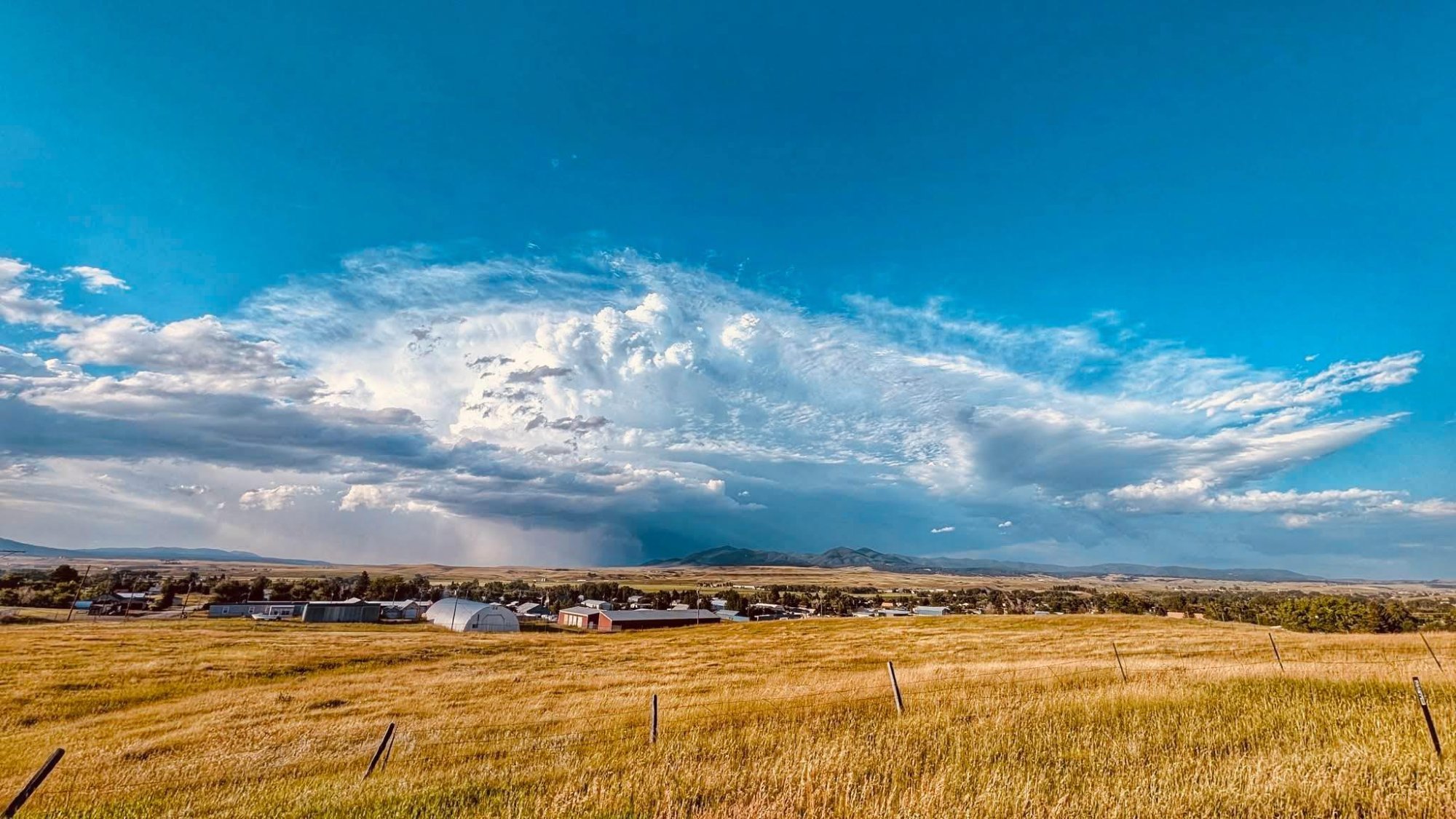
The fixed point was always Lewistown.
Fourth of July fireworks off the driveway, days in the Judith Mountains, the particular feeling of a place that belongs to you even when you can't quite claim to live there yet. My grandmother's house on West Boulevard was the one constant in a military childhood that moved every few years, and those summers in Lewistown were what home actually felt like. Four generations of this family built something in Central Montana, and I spent my youth counting down to when I could come back.
What I did out there.
Intelligence work at the Defense Intelligence Agency and the Pentagon during the Global War on Terror took me about as far from Fergus County as a person can get. Cybersecurity and data privacy work followed, spanning public and private sector, and across all of it the same core kept showing up: break the problem down, cut through the noise, and deliver something that actually works.
That skillset is not abstract at the state level. Reading a data center incentive bill is a different experience from reading the summary someone prepared about it. Understanding what a water consumption commitment actually requires, and where the language goes soft, changes the conversation entirely. The decisions that will shape what this region looks like in twenty years are being made right now, mostly by people who do not live here and do not plan to. Having someone in that room who can take apart the agreement and tell you what it actually does is the whole reason to run.
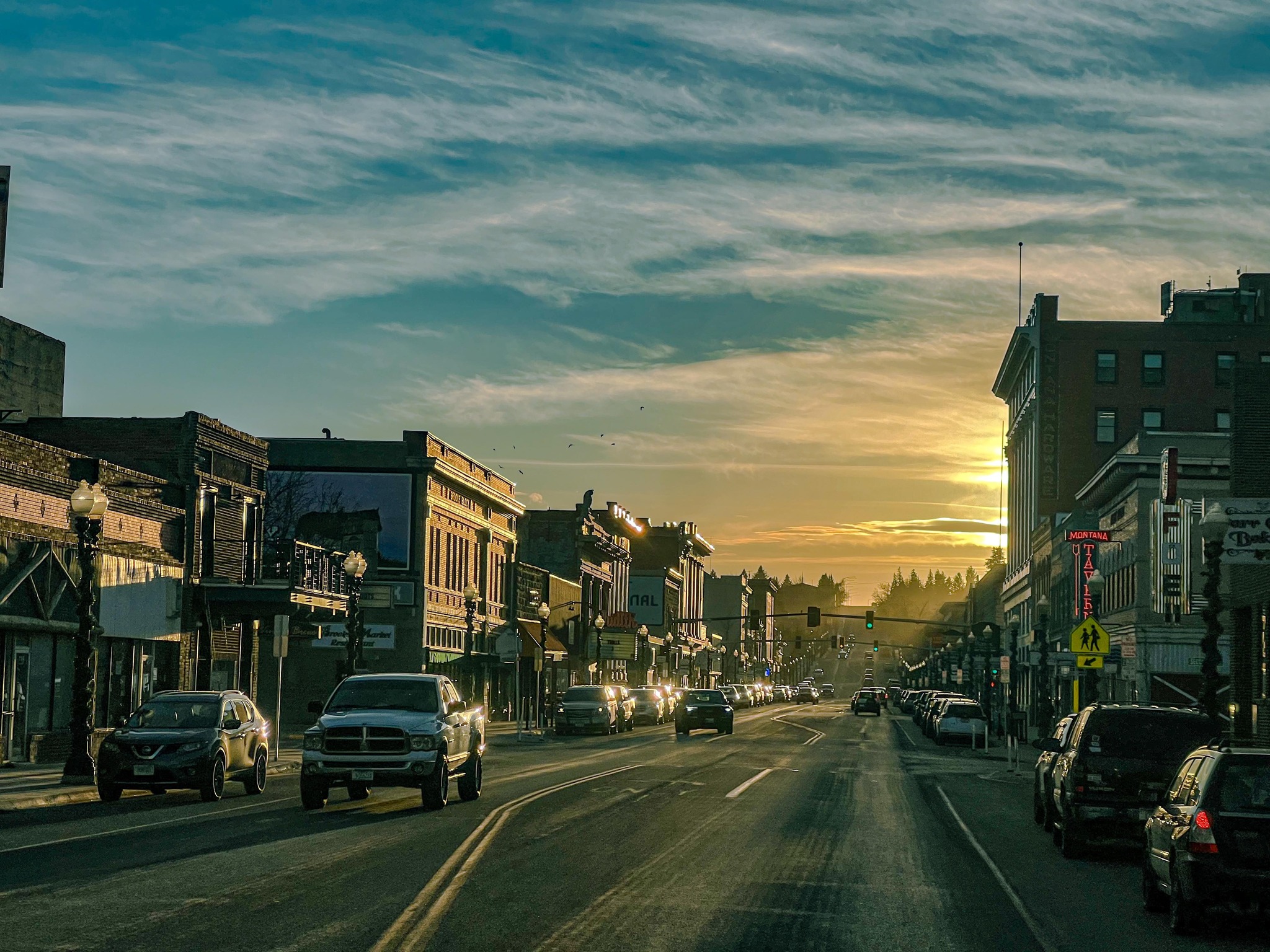
The roots that brought me home.
My great-grandfather came to Lewistown in 1911 and became the town's first osteopath. My grandmother was born here in 1920. My grandfather worked as a mining engineer for the Anaconda Company, which is how my mother came into the world in Butte; Central Montana families have always followed the work, and they have always come back. Running AI and cybersecurity literacy workshops for neighbors here started well before any campaign did, because people had real questions about the technology being deployed into their community and deserved real answers. Organizing the community response to the zoning variance last year grew from the same instinct: residents engaged in good faith, made legally grounded arguments, and were overruled. Learning exactly why that happened, and what tools exist at the state level to change it, is the kind of groundwork that never makes the paper and translates directly into useful representation.
Outside interests making consequential decisions about Central Montana from a considerable distance, without meaningful input from the people who actually live here, is something I take personally. That's exactly what you want in a representative.
Why independent, and why this race.
Both party candidates will arrive in Helena carrying obligations that predate anything District 37 asked of them. Caucus relationships, state party leadership expectations, and donor networks operating well above the district level create real and ongoing pressure that runs in one direction. Running as an independent removes all of it. The accountability in this campaign runs horizontally, to the residents of this district and nobody else.
Four generations of this family lived and worked and built things here. Representing Central Montana in the state house is the logical next thing, and it is long past time someone did it without a party telling them how.